
Dishwasher Turbidity Sensor Symptoms
Dishwasher Turbidity Sensor Symptoms - Web thank you for your help in diagnosing this problem: Web the way the sensor works is by shining a light across a gap onto a light sensor. Dishwasher starts well (initial drain, water fill, circulation pump comes on). Disconnect your washer from the power source; Turn off the water to your dishwasher; Error codes related to the sensor.
Dishes not being cleaned properly; The most common reason for replacing the sensor is if the dishwasher is not draining properly. Error codes related to the sensor. The turbidity sensor shines light through a small sampling of dishwater measuring sediment content and adjusts the dishwasher's cycle time and functions accordingly. Web a dishwasher turbidity sensor measures the amount of food particles in the water being circulated through the appliance to help determine how long a wash or rinse cycle should last.

How To Test Dishwasher Turbidity Sensor Sensor Web Blog
Some dishwashers use a soil sensor, actually called a turbidity sensor to monitor the amount of soil the wash water. Web thank you for your help in diagnosing this problem: Generally, if i don't interrupt the cycle (to add more dishes, for example), the dishwasher will run through its full cycle just fine. Web is it leaving residue on your.

Dishwasher Turbidity Sensor DD3200008A Infinite Parts Direct
Web thank you for your help in diagnosing this problem: The most common reasons for replacing the turbidity sensor is if the dishwasher has longer or shorter wash cycles than necessary or. Error codes related to the sensor; Web this is a preview of a video that shows you how to repair a gdt655ssj2ss ge dishwasher wd21x22830 turbidity sensor symptoms.
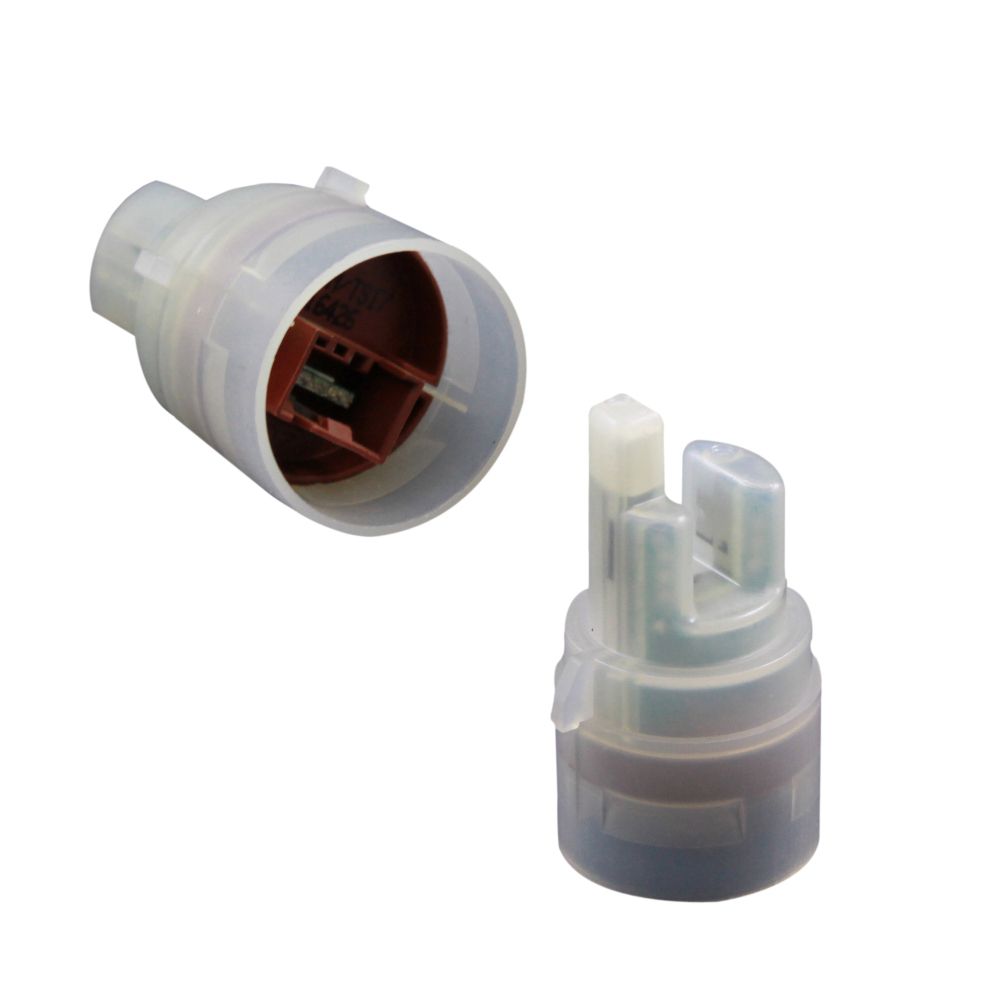
Dishwasher Turbidity Sensor WPW10120019 Infinite Parts Direct
With this video, steve will show you how easy it is to complete this. Dishwasher running longer than usual or shorter cycles. Dishes not being cleaned properly. This sensor is responsible for detecting food particles and other undissolved solids during a wash. Causes of a bad turbidity sensor can include:

Dishwasher Turbidity Sensor A00040106 parts Sears PartsDirect
Before you begin, you will need to: Web is it leaving residue on your dishes or not effectively removing food particles? One possible culprit could be a faulty turbidity sensor. It detects any suspended particles or impurities present in the water, helping the dishwasher determine the cleanliness of the dishes during the wash cycle. The test from the control panel,.

Replacing the Turbidity Sensor on a Frigidaire Dishwasher Appliance Video
One possible culprit could be a faulty turbidity sensor. Dishwasher running longer than usual or shorter cycles. The turbidity sensor shines light through a small sampling of dishwater measuring sediment content and adjusts the dishwasher's cycle time and functions accordingly. Web do you need help replacing the turbidity sensor (part # wpw10705575) in your dishwasher? Web a dishwasher turbidity sensor.
Dishwasher Turbidity Sensor Symptoms - Web do you need help replacing the turbidity sensor (part # wpw10705575) in your dishwasher? Web if your washer takes a long time to switch cycles, you will also want to check the turbidity sensor in the pump housing. Web a dishwasher turbidity sensor measures the amount of food particles in the water being circulated through the appliance to help determine how long a wash or rinse cycle should last. Dishes not being cleaned properly. Turn off the water to your dishwasher; Poor cleaning performance or residue left on dishes;
Dishwasher running longer than usual or shorter cycles; The most common reason for replacing the sensor is if the dishwasher is not draining properly. Dishes not being cleaned properly; Dishwasher starts well (initial drain, water fill, circulation pump comes on). Disconnect your washer from the power source;
Web The Turbidity Sensor Senses The Level Of Turbidity Of The Water In The Dishwasher And Disables The Drain Motor And The Water Valve If The Sensed Level Of Tur.
Poor cleaning performance or residue left on dishes; One possible culprit could be a faulty turbidity sensor. Some dishwashers use a soil sensor, actually called a turbidity sensor to monitor the amount of soil the wash water. Disconnect your washer from the power source;
Some Sensors Also Incorporate A Thermistor To Regulate The Temperature.
Causes of a bad turbidity sensor can include: The test from the control panel, at least on whirlpool, actually checks the sensor when there's water present and no water present and can tell if it's bad. Error codes related to the sensor. Error codes or malfunctions related to the sensor;
The Most Common Reason For Replacing The Sensor Is If The Dishwasher Is Not Draining Properly.
It detects any suspended particles or impurities present in the water, helping the dishwasher determine the cleanliness of the dishes during the wash cycle. Before you begin, you will need to: Web the most common reasons for replacing the turbidity sensor is if the dishwasher has longer or shorter wash cycles than necessary or the dishes do not come out clean. Web there are several symptoms of a bad turbidity sensor in a dishwasher, including poor cleaning performance, error codes or messages on the control panel, inconsistent wash cycles, and water overflow.
Web The Way The Sensor Works Is By Shining A Light Across A Gap Onto A Light Sensor.
This sensor is responsible for detecting food particles and other undissolved solids during a wash. Web if your washer takes a long time to switch cycles, you will also want to check the turbidity sensor in the pump housing. Prolonged wash times or will. Dishes not being cleaned properly;