
Flame Sensor Vs Ignitor
Flame Sensor Vs Ignitor - Web make sure you do not confuse this with the hot surface ignitor which looks more like a stick of gum or “stone” material. The flame sensor shuts off the gas valve if the burners aren't lit. This process will vary from manufacturer to manufacturer, but overall should be a similar process. This is accomplished by passing a small amount of current through the flame to ground. In the standard sequence, gas flows to the burners, then the electronic ignition system creates a spark or a hot surface that causes the gas to ignite. Web when main burner ignition occurs, the flame is sensed by the igniter (local sense) or by a remote sensor (remote sense).
Web this video will show you how to easily replace the ignitor on your york diamond 80 furnace. Web table of contents. How to replace a furnace flame sensor. Where is the furnace’s flame sensor? The flame sensor is able to detect the heat caused by combustion.

Furnace Flame Sensor Everything You Need to Know HVAC Training Shop
The ignitor sits beside the gas burners, and when the thermostat communicates that it’s time to distribute warm air, the hot surface ignitor can reach 2500 degrees fahrenheit. Flame sensors are usually used to verify whether the furnaces are functioning correctly. Web by understanding why the furnace flame sensor is crucial to the unit’s operation, you’ll be better prepared to.

Spark Igniter & Flame Sensor J & M Heat Exchange
Web a flame sensor frequently responds faster & more precisely as compared to a heat or smoke sensor because of the mechanisms it utilizes to notice the flame. Web unlike older furnaces that require an actual flame to operate, modern furnaces use an electronic ignition that has a hot surface ignitor. This process will vary from manufacturer to manufacturer, but.
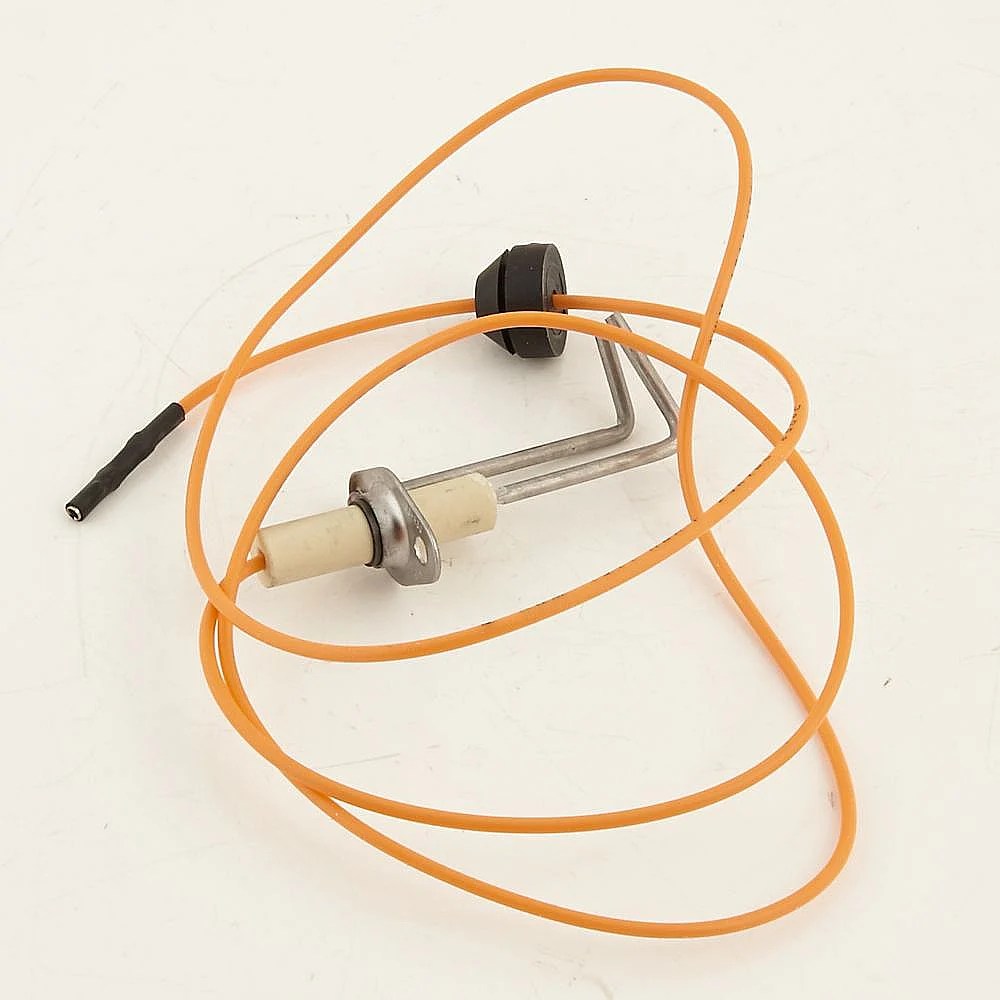
Furnace Burner with Flame Sensor and Igniter 622414104 parts Sears
How to replace a furnace flame sensor. This process will vary from manufacturer to manufacturer, but overall should be a similar process. The flame sensor detects whether a fire is present in the burner. It is responsible for detecting the presence of a flame and ensuring the safe operation of the system. What does a flame sensor do in a.

Flame Sensor Vs. Ignitor What's The Difference?
Where is the furnace’s flame sensor? Web the universal flame sensor can be bent and or cut to replace over 120 part numbers for a variety of applications including furnaces, water heaters, boilers, and cooking. The flame sensor detects whether a fire is present in the burner. The flame sensor is able to detect the heat caused by combustion. This.

Flame Sensor Vs. Ignitor What's The Difference?
Flame sensors are used in furnaces with electronic ignitions. Web when the gas is ignited, the flame sensor creates a current of electricity. Web reliable flame sensing is an important feature of modern gas ignition systems. For optimum safety, a hot surface ignition system utilizes what is known as a flame sensor. Web this video will show you how to.
Flame Sensor Vs Ignitor - Open to public hvac school. Web when the gas is ignited, the flame sensor creates a current of electricity. Web the universal flame sensor can be bent and or cut to replace over 120 part numbers for a variety of applications including furnaces, water heaters, boilers, and cooking. Learn about furnace ignitors and flame sensors with help from a. Flame sensor troubleshooting is usually done by an hvac expert during regular furnace maintenance. Web in this hvac diagnosis video i go over the ignition troubleshooting of a smart valve, ignitor, and flame sensor by honeywell.
Flame sensing rods stick out into the flame and connect back to the furnace board. If the furnace’s control board does not read the correct level of micro amps, the furnace will stop giving the system fuel to prevent an explosion. Web by understanding why the furnace flame sensor is crucial to the unit’s operation, you’ll be better prepared to recognize when a flame sensor is bad. Web here are the facts: What does a flame sensor do in a furnace?
Where Is The Furnace’s Flame Sensor?
That’s why it is very important to know how to tell if a flame sensor is bad. In the standard sequence, gas flows to the burners, then the electronic ignition system creates a spark or a hot surface that causes the gas to ignite. This is accomplished by passing a small amount of current through the flame to ground. What does a flame sensor do in a furnace?
The Flame Sensor Detects Whether A Fire Is Present In The Burner.
Web make sure you do not confuse this with the hot surface ignitor which looks more like a stick of gum or “stone” material. Web when main burner ignition occurs, the flame is sensed by the igniter (local sense) or by a remote sensor (remote sense). Web the flame sensor ignitor is a critical component in various heating systems, including furnaces, boilers, and water heaters, that rely on flames for heating purposes. Web the igniter and flame sensor play vital roles in ensuring reliable ignition and monitoring of the combustion process in various systems, including gas turbine engines and aircraft powerplants.
Use The Screwdriver To Remove The Screw (S) That Hold The Sensor In Place.
Web in this hvac diagnosis video i go over the ignition troubleshooting of a smart valve, ignitor, and flame sensor by honeywell. Flame sensing rods stick out into the flame and connect back to the furnace board. When it does, it sends the signal to stop powering the hot surface igniter. The flame sensor ignitor works on the principle of flame.
Open To Public Hvac School.
Dismount the old furnace flame sensor. Web this video will show you how to easily replace the ignitor on your york diamond 80 furnace. Web a flame sensor frequently responds faster & more precisely as compared to a heat or smoke sensor because of the mechanisms it utilizes to notice the flame. Web unlike older furnaces that require an actual flame to operate, modern furnaces use an electronic ignition that has a hot surface ignitor.