
Hall Sensor In Bldc
Hall Sensor In Bldc - Using a hall sensor is much easier than measuring the back emf, another method of determining the time for switching. The tmag5115 device provides an easy. The frequency seen on those hall sensors will scale up with the number of pole pairs (all things being equal) so the rpm calculation has to be scaled as such. Web in a bldc motor, feedback is achieved using multiple feedback sensors. The most commonly used sensors are hall sensors and optical encoders. Rotor position can be known by using various sensors like hall sensor.
Thus bldc demands position sensing. Note that having access to an oscilliscope is extremely helpful, if not essential, to doing this. Web a digital hall effect sensor (also called buffered hall effect sensor) detects the strength of the currently present magnetic field, and has a single output wire with two possible output states: Web velocity feedback can be derived from the position data, thus eliminating a separate velocity transducer for the speed control loop. Rotor position can be known by using various sensors like hall sensor.

Paralisar Impressão perturbar 3 phase bldc motor control with hall
The incremental sensors, the three hall effect sensor and resolver. The exact commutation sequence to the stator winding can be determined based on the combination of these three sensor’s response. Web velocity feedback can be derived from the position data, eliminating a separate velocity transducer for the speed control loop. The most commonly used sensors are hall sensors and optical.
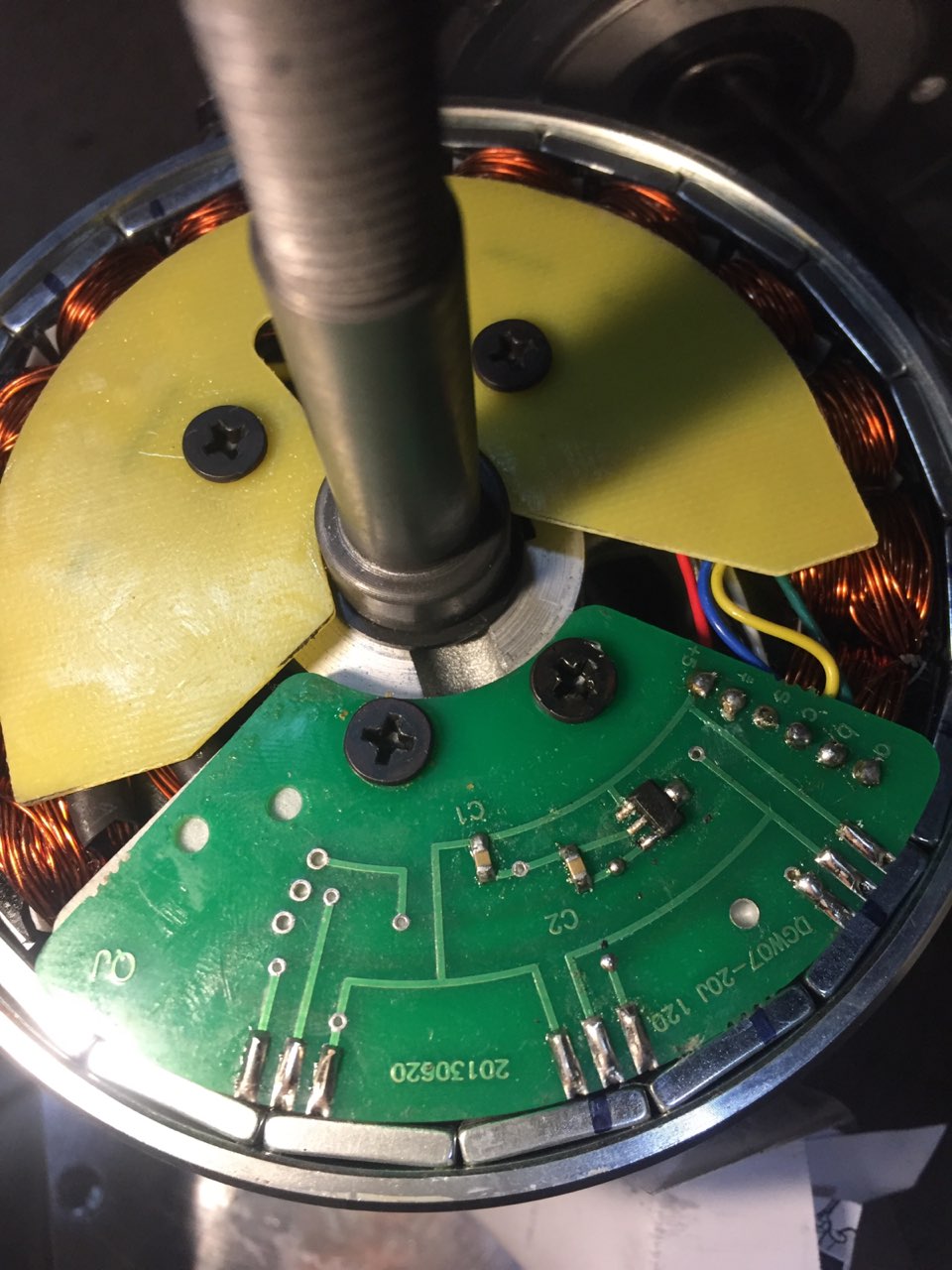
Electronic 3 phase Bldc hall sensor problem Valuable Tech Notes
Web bldc motor needs electronic commutation, in which based on rotor position drive circuit energize stator winding. Web velocity feedback can be derived from the position data, eliminating a separate velocity transducer for the speed control loop. Web velocity feedback can be derived from the position data, thus eliminating a separate velocity transducer for the speed control loop. The incremental.

Hervorragend Beständig Staude hall sensor in bldc motor Verwelkt
With these hall latches, alternating north and south poles are required to toggle the output of a device, as illustrated in. Web the bldc hall sensors are now configured as a three channel, low resolution, encoder capable of delivering accurate data to aid in navigation and wheel position sensing without hindering their primary motor control function. Web the hall sensors.

how to check, bldc motor hall sensor is working or not? PsPowers
Web hall effect sensor is a small transducer that plays a crucial role in a bldc motor controller. Web in a bldc motor, feedback is achieved using multiple feedback sensors. Three common types of position sensors are used: According to the standard configuration, a brushless dc (bldc) consists of three hall sensors located electrically 120 degrees apart. The frequency seen.

Troubleshooting bldc motor with hall sensor SOLVED Support
It serves as an example of a bldc motor control system design using one of the latest member of freescale dscs. The most commonly used sensors are hall sensors and optical encoders. It also illustrates an intelligible implementation of a bldc control technique using dsc features. Note that having access to an oscilliscope is extremely helpful, if not essential, to.
Hall Sensor In Bldc - Web the easiest method of detecting the rotor position is hall effect sensor. These tiny ics play a big role in Three common types of position sensors are used: Three common types of position sensors are used: Web most bldc motors incorporate three hall sensors which are embedded into the stator. Using a hall sensor is much easier than measuring the back emf, another method of determining the time for switching.
Each sensor generates low and high signals whenever the rotor poles pass near to it. Rotor position can be known by using various sensors like hall sensor. Web the hall sensor tells the bldc controller when the rotor is in the right position to switch over to the next coil. This blog highlights, how a hall effect sensor works in a motor control system and underlines its advantages. The most commonly used sensors are hall sensors and optical encoders.
It Also Illustrates An Intelligible Implementation Of A Bldc Control Technique Using Dsc Features.
Three common types of position sensors are used: These tiny ics play a big role in The incremental sensors, the three hall effect sensor, and the resolver. Web most bldc motors incorporate three hall sensors which are embedded into the stator.
Web Bldc Motor Needs Electronic Commutation, In Which Based On Rotor Position Drive Circuit Energize Stator Winding.
Web the easiest method of detecting the rotor position is hall effect sensor. Unlike a brushed dc motor, the commutation of a bldc motor is controlled electronically. Three common types of position sensors are used: To rotate the bldc motor, the stator windings should be energized in a sequence.
It Is Important To Know The Rotor Position In Order To Understand Which Winding Will Be Energized Following The Energizing Sequence.
Web from the different types of hall position sensors, hall latches are used to provide a simple six step method for commutation. The incremental sensors, the three hall effect sensor and resolver. Web using bldc hall sensors as position encoders. Web the hall sensor tells the bldc controller when the rotor is in the right position to switch over to the next coil.
Web The Hall Sensors Detect The Position Of The Magnets And Those Signals Tell The Controller Which Phase And Polarity In The Stator Has To Be Driven Next.
Web in a bldc motor, feedback is achieved using multiple feedback sensors. Web a hall effect sensor varies its output voltage based on the strength of the applied magnetic field. Web velocity feedback can be derived from the position data, thus eliminating a separate velocity transducer for the speed control loop. The tmag5115 device provides an easy.