
Occupancy Sensor Vs Motion Detector
Occupancy Sensor Vs Motion Detector - They are commonly used for security and saving energy. This blog covers how pir and microwave motion sensors works. Web occupancy sensors, also known as motion sensors or presence detectors, are an effective solution to optimize energy usage by automatically controlling lighting, heating, and cooling systems based on occupancy levels. Web the sensor detects motion when an occupant crosses these zones, making it more sensitive to motion occurring lateral to the sensor. And their name describes their nature and purpose very well. To make the right choice in optimizing real estate, it’s essential to compare occupancy sensors and motion sensors.
Motion sensors and door switch monitors work in conjunction with the thermostats to report motion, door status, and light level. Web motion detectors by inncom are used to create the most energy efficient hvac controls system available for hotels today & offers a variety of configurations to additionally meet the interior design needs of the hotel. Some sensors also use acoustic detection. Web occupancy sensors, also known as motion sensors or presence detectors, are an effective solution to optimize energy usage by automatically controlling lighting, heating, and cooling systems based on occupancy levels. Use of occupancy sensors in a daylit space can mean that lights come on when they are not needed.

Leviton Leviton OSC Series MultiTech Ceiling Occupancy Sensors
Web what's the difference between the motion sensors. They operate in different ways. Web motion detectors by inncom are used to create the most energy efficient hvac controls system available for hotels today & offers a variety of configurations to additionally meet the interior design needs of the hotel. Web motion sensors and presence sensors both have their unique functionalities.

Ceiling Mount Occupancy Motion Sensor, 10A Rayzeek
The gaps between the zones widen with distance, which results in sensitivity decreasing the farther the occupant is from the sensor. Web occupancy sensor vs. Web occupancy sensors detect motion in an effort to indicate the presence of a person and are often used to do things like automatically turn on lights when you walk into a room or adjust.

Occupancy Sensor Hard Wired, Ceiling, 2,500 Sq Ft Coverage At
Web occupancy sensors detect motion in an effort to indicate the presence of a person and are often used to do things like automatically turn on lights when you walk into a room or adjust temperature or ventilation settings in the hvac system. Occupancy sensors use different technologies — including passive infrared (pir), ultrasonic and microwave — to detect the.
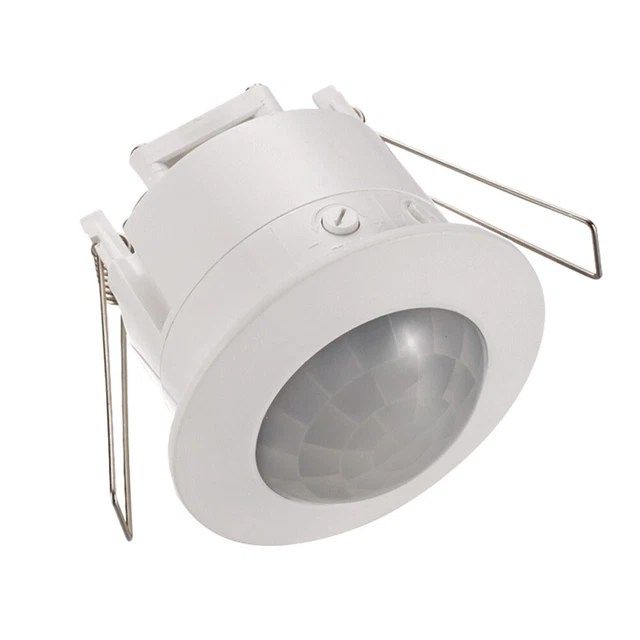
IP65 RECESSED PIR Ceiling Occupancy Motion Sensor Detector LightSwitch
Web what's the difference between the motion sensors. Applications include automatic adjustment of lights or temperature or ventilation systems in response to the quantity of people present. Motion detectors can detect movements in the arms and legs whereas occupancy ones can detect minor movements even in the fingers of a body. You can even purchase ones that detect further than.

360 Pir Occupancy Detector Sensor Light Switch Ceiling Shelly Lighting
They are commonly used for security and saving energy. Motion sensors and door switch monitors work in conjunction with the thermostats to report motion, door status, and light level. Web motion sensors are critical in occupancy based lighting controls. Use of occupancy sensors in a daylit space can mean that lights come on when they are not needed. Web occupancy.
Occupancy Sensor Vs Motion Detector - The motion sensor responds to moving objects only. The basic difference between these two detectors is in the sensitivity. In this article, we’ll be explaining how they work, their key differences, and their various applications. Web occupancy sensors, also known as motion sensors or presence detectors, are an effective solution to optimize energy usage by automatically controlling lighting, heating, and cooling systems based on occupancy levels. When a sensor detects motion, it sends a signal to your security system’s control panel, which connects to your monitoring center. Our smart temperature sensor pick:
To sum up, the difference between vacancy and occupancy sensors mainly lies in how they are triggered. Web motion detectors and occupancy sensors can detect movement and then cause an event to happen. The gaps between the zones widen with distance, which results in sensitivity decreasing the farther the occupant is from the sensor. Web a motion sensor uses one or multiple technologies to detect movement in an area. Web occupancy sensors are not limited to just motion but also sound and (in some cases infrared) body temperature compared to the surrounding environment.
In These Conditions, A Change Of The Control Sequence Can Shift The Operation From An Occupancy Sensor To A Much More Useful Vacancy Sensor.
Web motion detectors by inncom are used to create the most energy efficient hvac controls system available for hotels today & offers a variety of configurations to additionally meet the interior design needs of the hotel. Web whilst motion and occupancy sensors offer similar functions; Web a motion sensor uses one or multiple technologies to detect movement in an area. Motion sensors on the other hand, detect movement in any given area.
And More Importantly, Which One Is The Right Choice For Your Specific Needs?
Occupancy sensors use different technologies — including passive infrared (pir), ultrasonic and microwave — to detect the presence or absence of occupants in a space. This blog covers how pir and microwave motion sensors works. Web motion sensors and presence sensors both have their unique functionalities and applications, but how do they differ? These type of sensors utilize some kind of a.
The Occupancy Sensor Also Uses Infrared Energy Pulses, But Instead Of Detecting Movement Within The Area, They Identify The Presence Of A Person Or Being.
Use of occupancy sensors in a daylit space can mean that lights come on when they are not needed. Web an occupancy sensor is an electronic device that is able to detect motion and recognize when a person has entered a room. Applications include automatic adjustment of lights or temperature or ventilation systems in response to the quantity of people present. There are various occupancy sensing technologies, but the most common are passive infrared, microwave, ultrasonic, and.
Web Occupancy Sensors Detect Motion In An Effort To Indicate The Presence Of A Person And Are Often Used To Do Things Like Automatically Turn On Lights When You Walk Into A Room Or Adjust Temperature Or Ventilation Settings In The Hvac System.
Web what's the difference between the motion sensors. Web find the complete list of lutron occupancy/vacancy sensors right here. The gaps between the zones widen with distance, which results in sensitivity decreasing the farther the occupant is from the sensor. Some sensors also use acoustic detection.